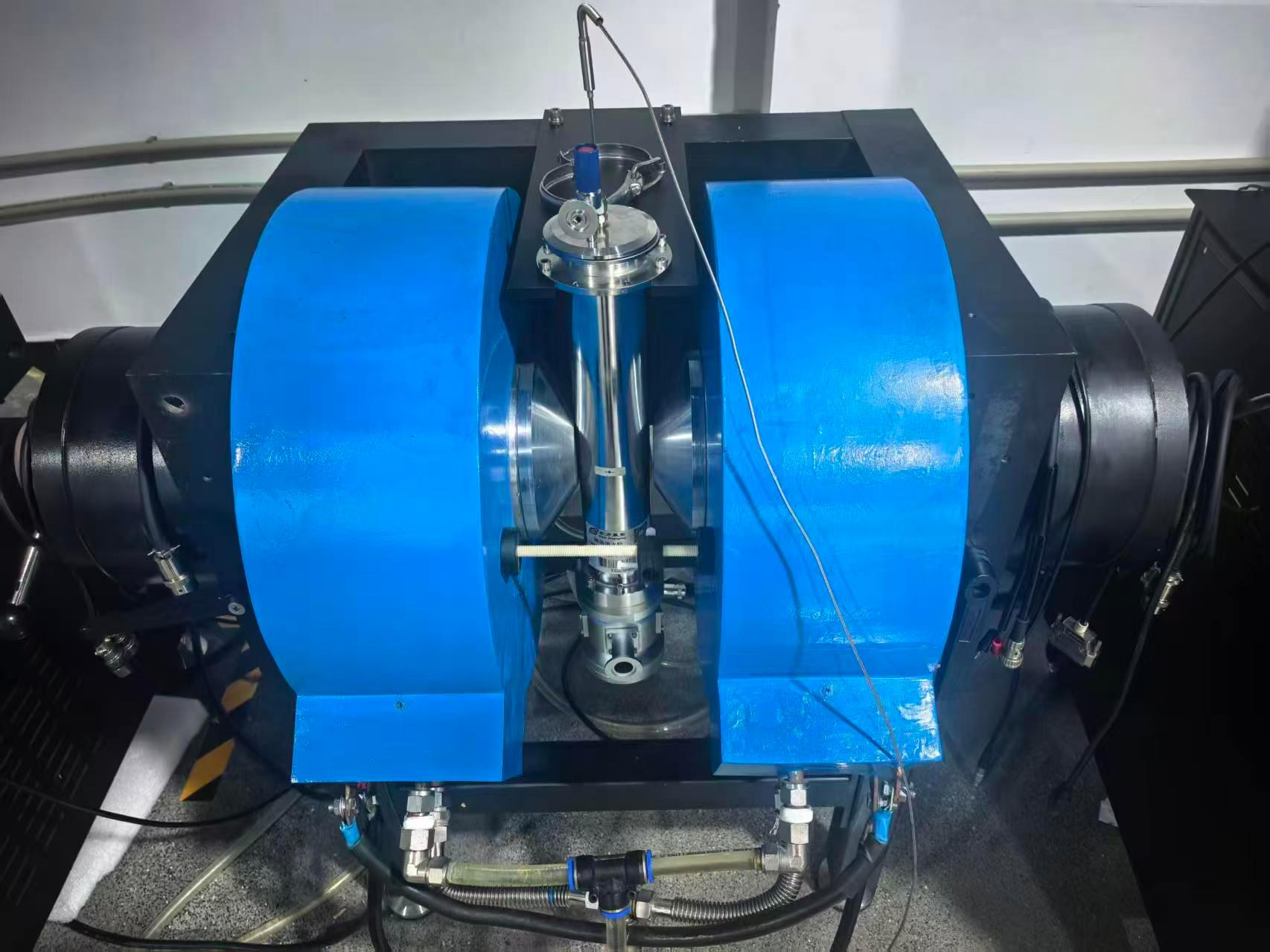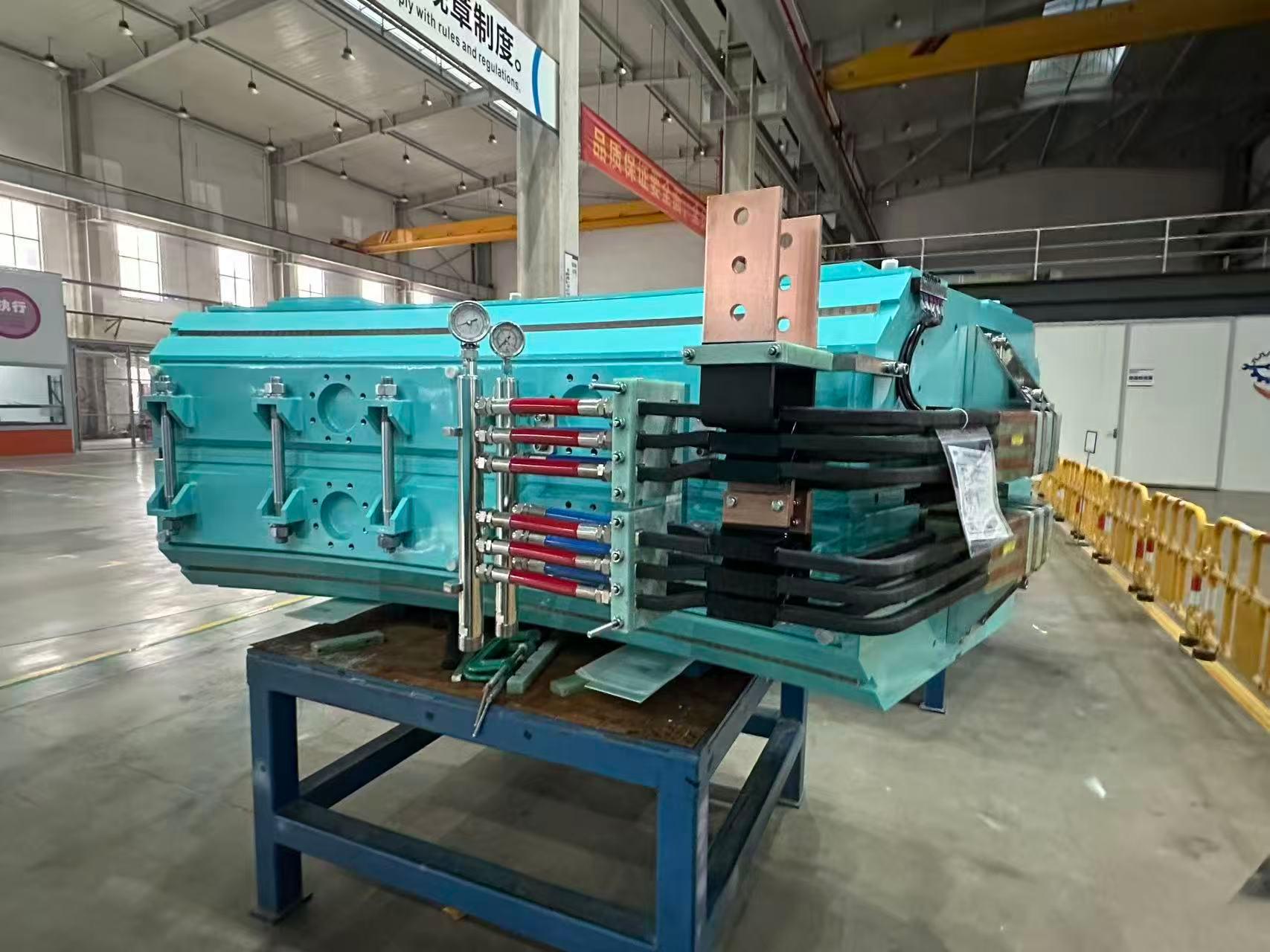
Comparing the Two Field Source Options
Electromagnets use resistive copper or aluminum coils and can operate at room temperature. Superconducting magnets use low-temperature coils to carry high current density with negligible resistive loss, enabling much higher fields.
The choice between the two is usually driven by the required field strength, duty cycle, available cryogenic infrastructure and project budget.
Field Strength and Stability Requirements
Conventional electromagnets typically cover fields up to about 2.5 T, depending on pole gap and cooling. Superconducting solenoids routinely reach 7–12 T and can exceed 20 T in special designs.
Stability depends on current source quality and thermal control. Superconducting magnets offer excellent long-term stability once energized, while electromagnets depend on the power supply ripple and coil temperature.
Cooling and Cryogenic Requirements
Electromagnets require water or forced-air cooling for continuous operation. Superconducting magnets require a cryostat, liquid helium or a cryocooler, plus a quench protection system.
The operating cost and maintenance schedule of a superconducting magnet are significantly higher, so the field target must justify the added complexity.
Sample Access and System Integration
Electromagnets generally offer larger sample access and faster field changes. Superconducting magnets have restricted bore access and slower ramp rates, but provide persistent mode operation for stable long-term experiments.
Factors to Confirm Before Selection
Confirm target field, field sweep profile, sample size, temperature environment, duty cycle, available utilities and acceptance criteria. These inputs determine whether a resistive or superconducting path is more appropriate.