Understanding Field Uniformity
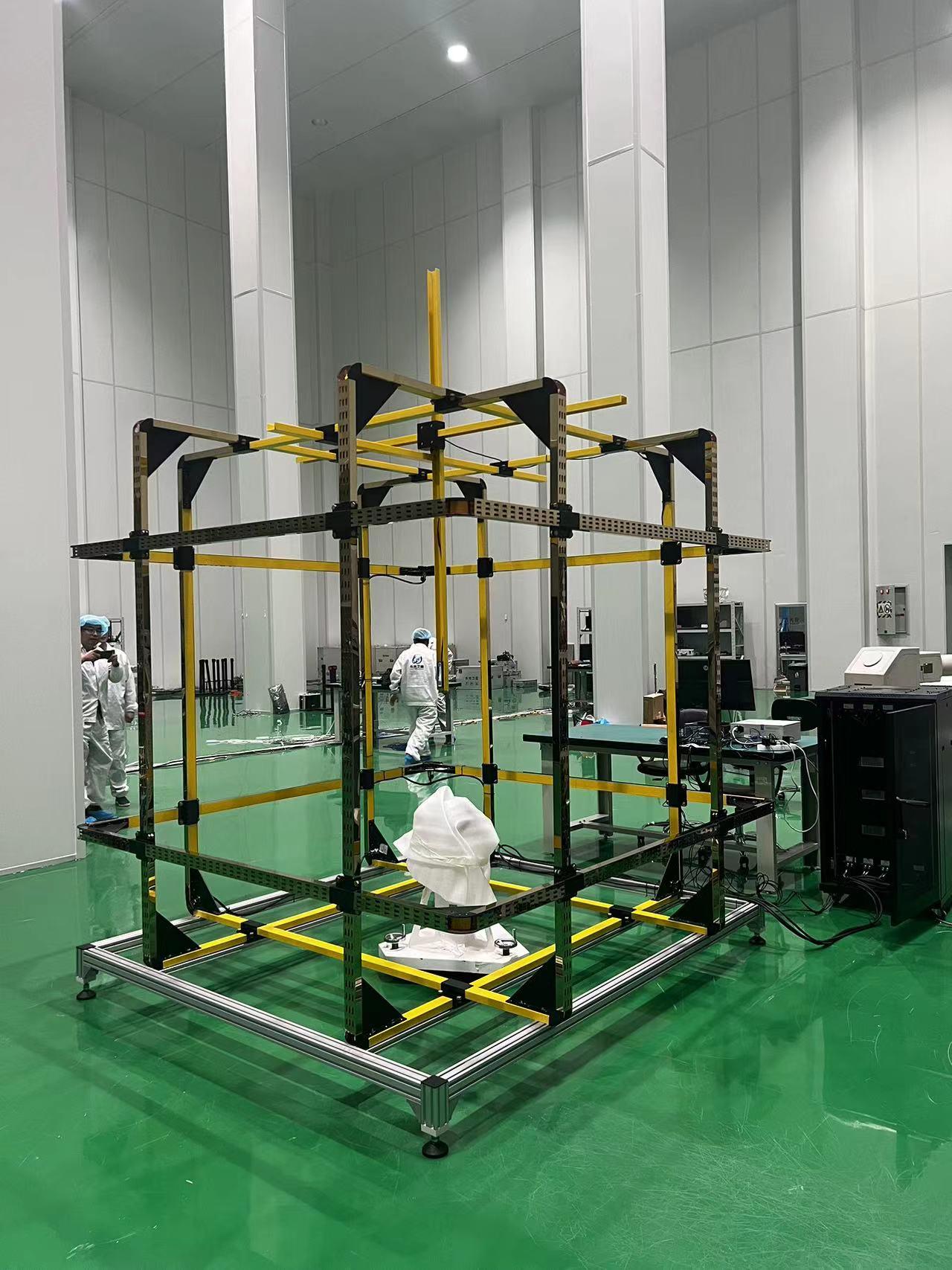
Field uniformity is usually specified as a percentage deviation from the center field value over a defined spherical or cubic volume. A common requirement is ±1% or ±0.5% over the sample volume.
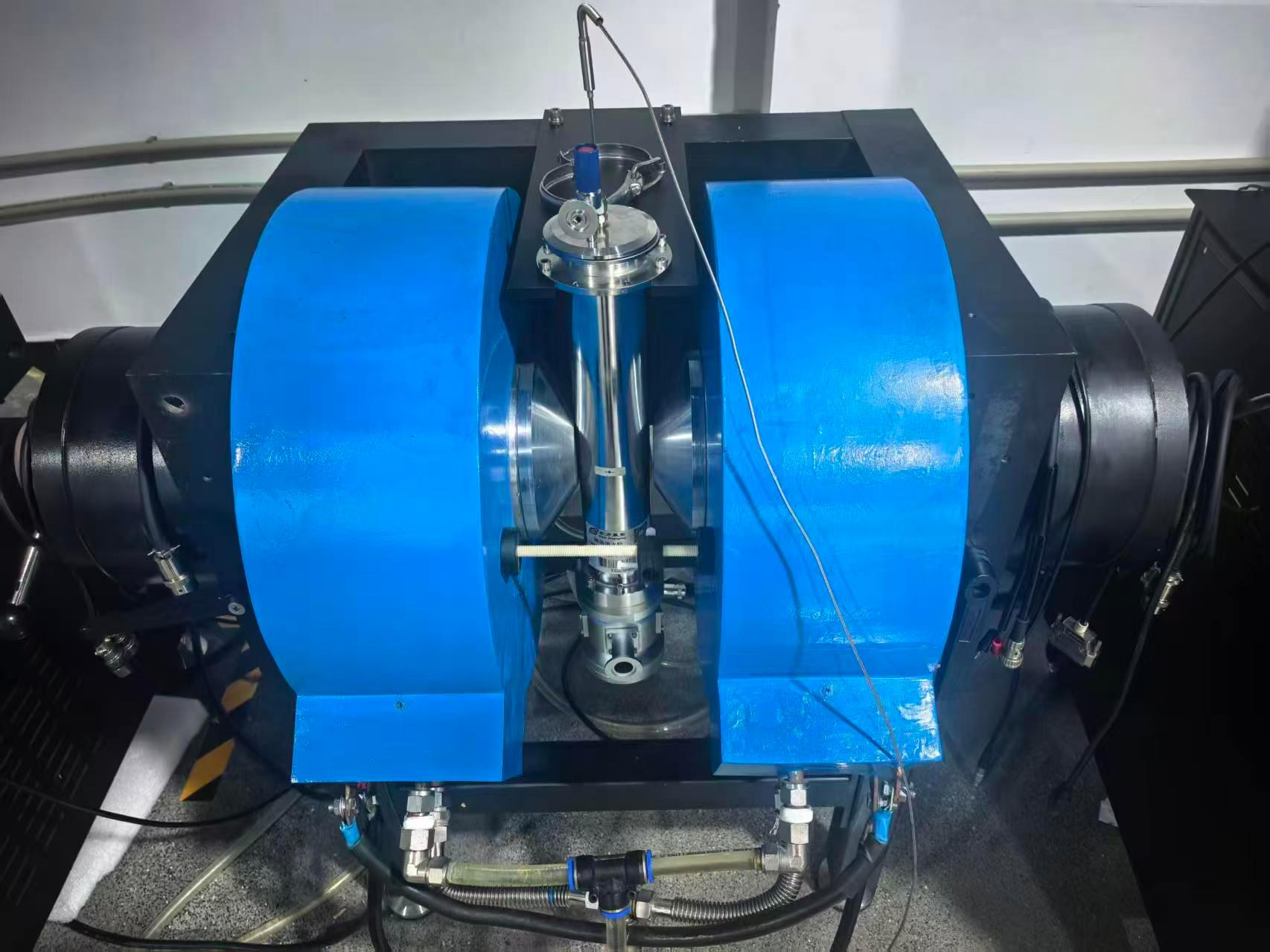
Uniformity improves as the pole diameter increases relative to the pole gap. Pole caps can also be used to shape the field distribution for specific geometries.
Pole Gap and Working Space
The pole gap determines the maximum sample size and the working distance between pole faces. A larger gap reduces the maximum field and may reduce uniformity unless the pole diameter is also increased.
Sample Access and Positioning
Sample access includes not only the physical space for the sample but also the route for wiring, temperature sensors, optical windows and probe assemblies. Plan these routes before finalizing the pole gap.
Measurement Geometry and Field Requirements
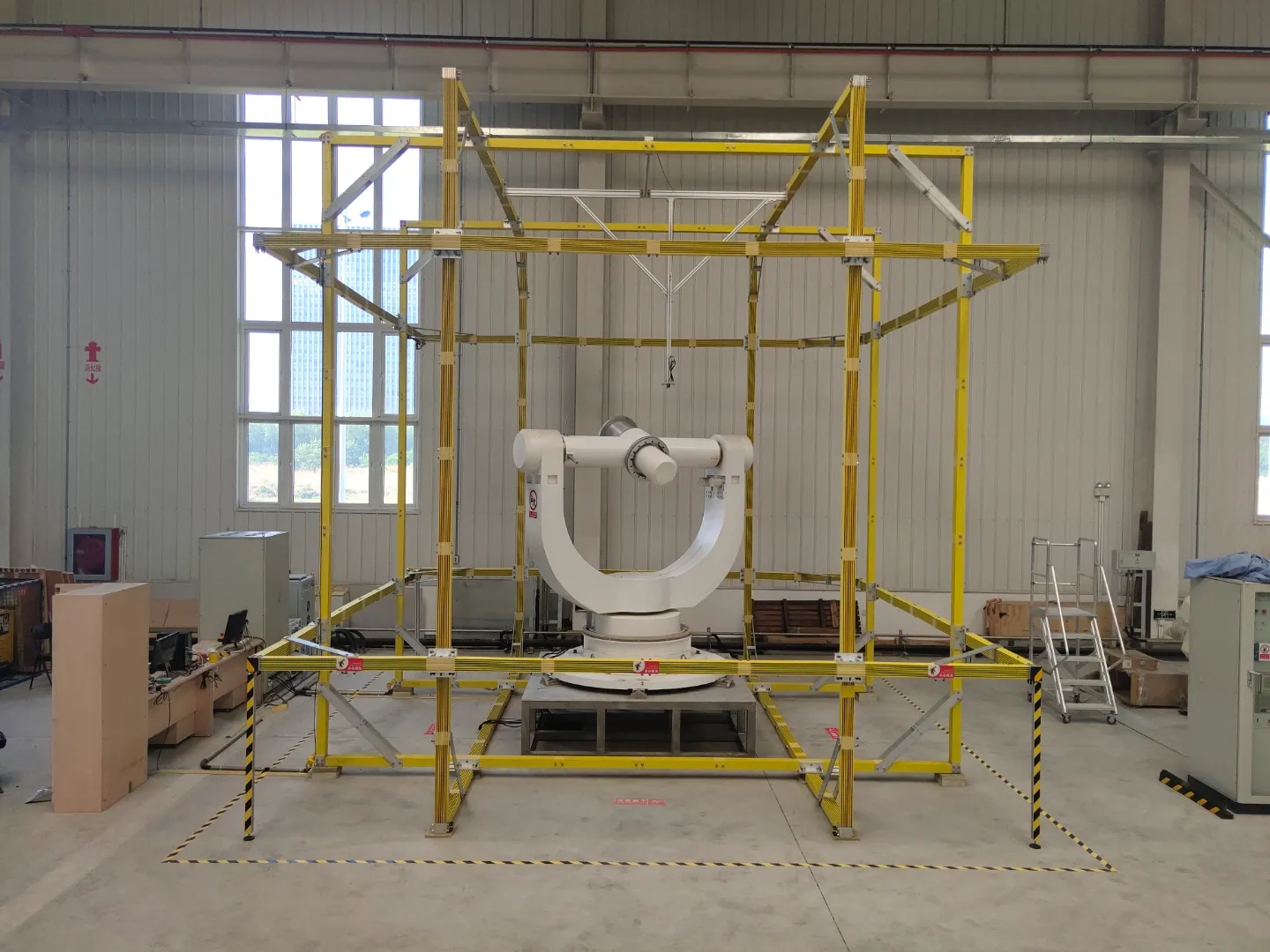
The field direction relative to the sample and sensors affects the measured data. Confirm whether the field must be perpendicular or parallel to the sample plane, and whether rotation or translation is needed.
Questions to Confirm Before System Selection
Provide the target field, required uniformity volume, sample dimensions, wiring path and any optical or thermal access requirements. These inputs determine the pole gap, pole cap design and overall magnet configuration.