
Vibrating Sample Magnetometers for Magnetic Materials Research
Measure magnetic moment, hysteresis loops, coercivity, remanence, saturation magnetization and temperature-dependent magnetic behavior with a matched VSM measurement chain.
Built for labs that need stable field control, sensitive signal detection, sample mounting and clear magnetic data output for thin films, powders, bulk samples and functional magnetic materials.
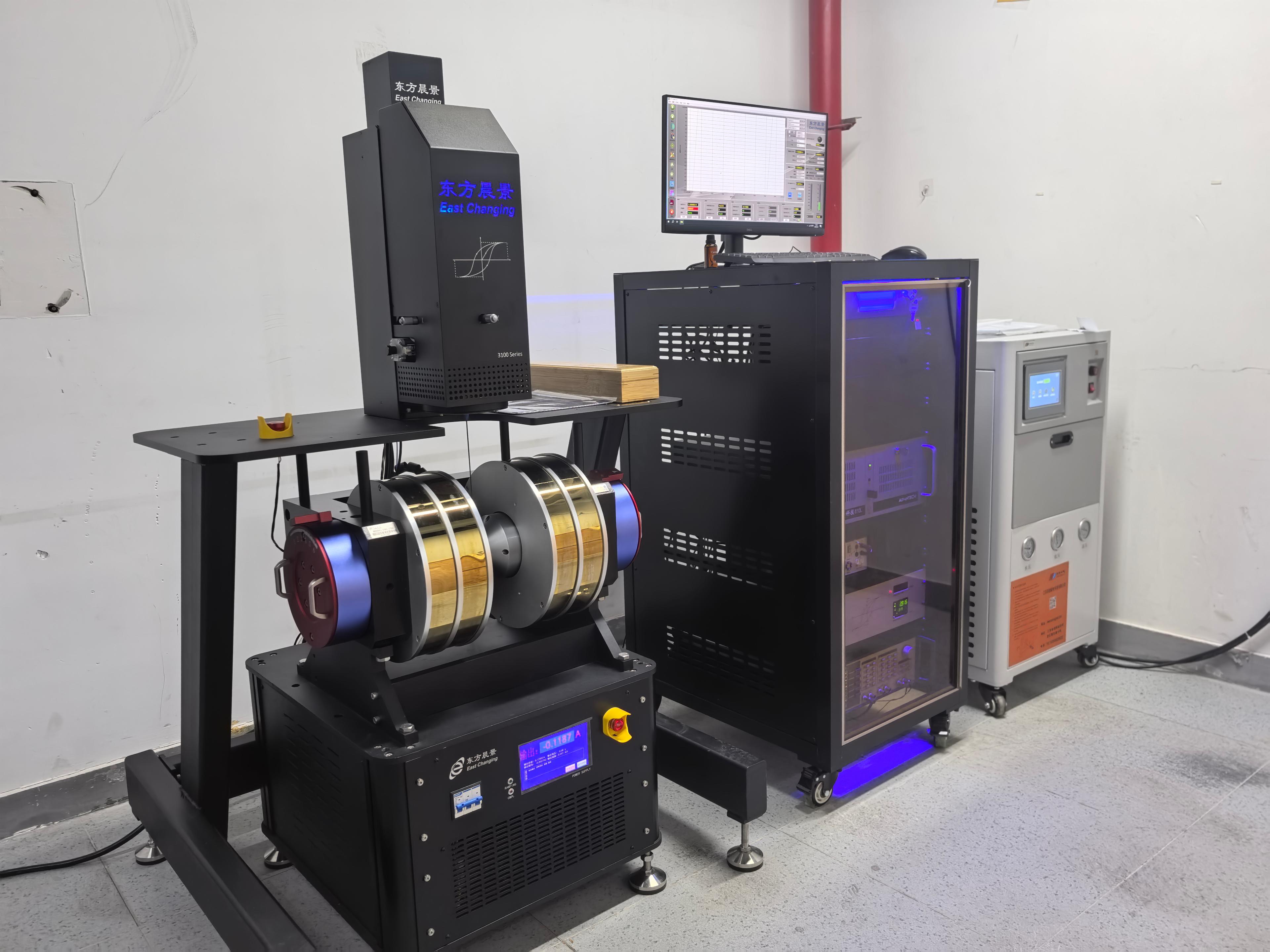
Configured VSM measurement chain
System focus
magnetic moment, M-H loops, M-T curves
Measurement chain
field, vibration, coils, software
Sample route
thin film, powder, bulk sample
Magnetic data
hysteresis, coercivity, remanence, saturation
Sample and signal
mounting, background control, sensitivity
Field and temperature
sweep range, stability, environment
Start from the sample type, target magnetic data, field range and temperature condition.
Confirm the Conditions Behind VSM Measurement
A vibrating sample magnetometer should be selected by target magnetic data, sample form, magnetic-field range, sensitivity, temperature condition, mounting method and required data output.
Target magnetic data
Confirm: magnetic moment, M-H loops, coercivity, remanence, saturation and susceptibility
Why it matters: The target data defines field sweep, signal range, calculation method and reporting workflow.
Sample form
Confirm: thin film, powder, bulk sample, small sample or special holder
Why it matters: Sample form affects mounting, background signal, alignment and repeatability.
Magnetic field range
Confirm: maximum field, polarity, sweep mode, field stability and uniformity
Why it matters: Field conditions determine loop shape, saturation behavior and measurement repeatability.
Sensitivity requirement
Confirm: expected magnetic moment, weak magnetic signal and noise tolerance
Why it matters: Low-moment samples require stronger signal control, cleaner background and stable detection.
Temperature condition
Confirm: room temperature, heating, variable temperature, cryogenic or vacuum environment
Why it matters: Temperature conditions affect magnetic phase behavior, sample access and system integration.
Sample mounting
Confirm: sample rod, holder material, orientation, background and clearance
Why it matters: Mounting quality can change the measured signal and the reliability of repeated tests.
Measurement workflow
Confirm: field sweep, temperature sweep, sequence control and curve output
Why it matters: The workflow should match the required M-H, M-T or project-specific magnetic data.
Calibration and acceptance
Confirm: standard sample, noise level, repeatability and acceptance record
Why it matters: Acceptance data helps confirm that the system can produce reliable magnetic measurement results.
Send the sample form, target magnetic data, field range and temperature condition first.
Build the VSM Measurement Chain Around Field, Sample and Signal
A VSM system combines magnetic-field control, sample vibration, pickup coils, low-noise detection, sample mounting, temperature environment and software output.
Magnetic field source
field range, polarity, sweep control, uniformity
Vibration drive
vibration amplitude, frequency, sample position
Pickup coils and signal path
induced signal, lock-in detection, noise control
Temperature environment
room temperature, heating, cryogenic or vacuum interface
Sample rod and holder
thin film, powder, bulk sample, background control
Control software
M-H curves, M-T curves, sequence and data output
Start from sample
Confirm sample form, expected moment and mounting route.
Define field conditions
Set field range, polarity, sweep mode and stability needs.
Match detection path
Review vibration drive, pickup coils, noise and signal range.
Plan data output
Confirm magnetic curves, calculated values and acceptance records.
A VSM should be configured as a complete magnetic measurement chain, not only as a field source.
Choose the VSM Configuration Route
Different VSM configurations support different sample formats, magnetic-field ranges, temperature conditions, sensitivity requirements and magnetic data workflows.
Room-Temperature VSM System
For routine magnetic moment, hysteresis loop, coercivity, remanence and saturation measurements under room-temperature conditions.
Used for: room-temperature M-H loops and standard magnetic material screening
Electromagnet-Based VSM System
For controlled field sweep, polarity reversal and repeatable magnetic measurement within a defined field range.
Used for: field-dependent magnetization, coercivity and saturation behavior
Variable-Temperature VSM System
For measuring magnetic behavior across a defined temperature range with heating, cooling or controlled sample environments.
Used for: M-T curves, phase behavior and temperature-dependent magnetization
Low-Temperature VSM System
For low-temperature magnetic materials, superconducting samples and research where cryogenic access changes the measurement route.
Used for: cryogenic magnetization, transition behavior and low-temperature M-H curves
Custom Sample / Fixture VSM Platform
For special holders, thin films, powders, small samples or custom workflows where sample mounting and background control are critical.
Used for: custom sample mounting, background reduction and project-specific testing
Configuration logic
Do not choose a VSM only by instrument name. Start from the sample, target magnetic data, magnetic-field range, temperature condition and sensitivity requirement.
Confirm before selecting
Configuration note
If the sample or magnetic moment is uncertain, start with the known material, sample form and target measurement curve.
If the route is uncertain, start from the sample form, target magnetic data and field range.
Verify the VSM Measurement Chain Before Acceptance
Engineering review should confirm the field source, vibration drive, detection path, sample mounting, temperature environment and acceptance records that affect magnetic measurement reliability.
VSM test flow
Confirm magnetic output, repeatability and records.
Field
range, sweep, stability
Vibration
frequency, position
Signal
noise, pickup coils
Sample
holder, background
Record
curves, notes, handover
Field verification
Covers: field range, polarity, sweep behavior, stability and uniformity
Record: field test note / mapping note when required
Vibration and position check
Covers: vibration amplitude, frequency, sample position and mechanical stability
Record: vibration check / sample position review
Signal and noise review
Covers: pickup coils, lock-in detection, background signal and low-moment sensitivity
Record: signal check / noise and background note
Sample holder review
Covers: sample rod, holder material, clearance, orientation and mounting repeatability
Record: holder review / sample mounting note
Temperature or environment check
Covers: room-temperature, heating, cryogenic, vacuum or controlled environment interface
Record: environment check / operating condition note
Acceptance documents
Covers: agreed test items, standard sample when applicable, curves and project notes
Record: VSM checklist / project-specific record
Testing should confirm the measurement chain, not only whether the VSM powers on.
Send Your VSM Measurement Requirement
Share the target magnetic data, sample form, expected magnetic moment, field range, temperature condition and sensitivity requirement so the VSM route can be reviewed as a complete measurement chain.
Start with known magnetic measurement conditions.
A useful inquiry does not need every detail, but it should identify the sample, target magnetic data, field condition and sensitivity needs clearly enough for engineering review.
Minimum starting point: Sample form, target curve, expected moment, field range, temperature condition and mounting limit.
What to send first
Target magnetic data
M-H loops, M-T curves, coercivity, remanence, saturation
Sample details
material, thin film, powder, bulk sample, size and mass
Field condition
field range, polarity, sweep mode and stability
Temperature route
room temperature, heating, cryogenic or variable temperature
Signal requirement
expected magnetic moment, sensitivity, background and noise limit
After submission
Engineering review
Check the sample route against target data, field, temperature and sensitivity conditions.
Configuration direction
Clarify room-temperature, variable-temperature, low-temperature or custom fixture route.
Next discussion
Review missing values before quotation, detailed design or test planning.
Ready to review a VSM system for your sample and target magnetic data?