Start With Your Experimental Requirements
Before comparing electromagnet models, write down the target magnetic field range, the required pole gap, the sample size and the expected duty cycle. These four inputs determine the magnet geometry, coil current and cooling path.
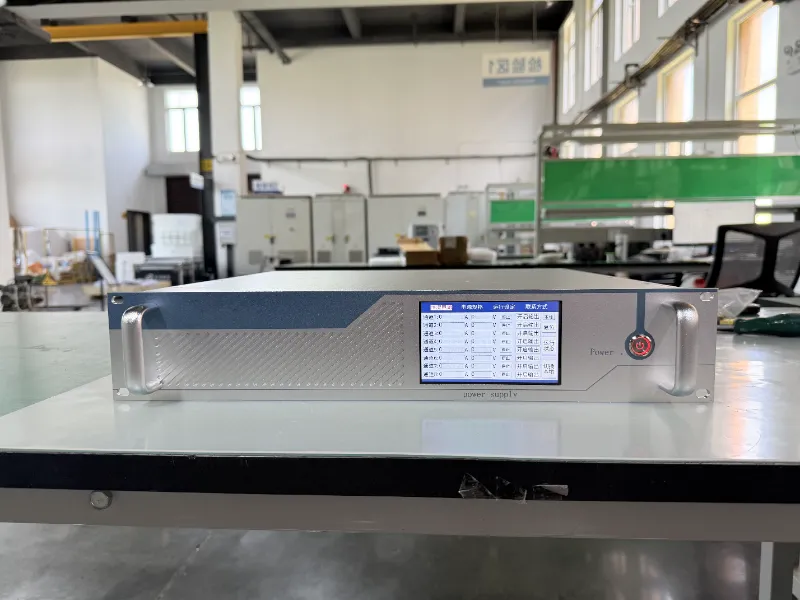
Also confirm whether the field must be bipolar, swept continuously, or held at a fixed value for long periods. Each requirement affects the power supply specification and the mechanical design of the yoke.
Key Electromagnet Selection Factors
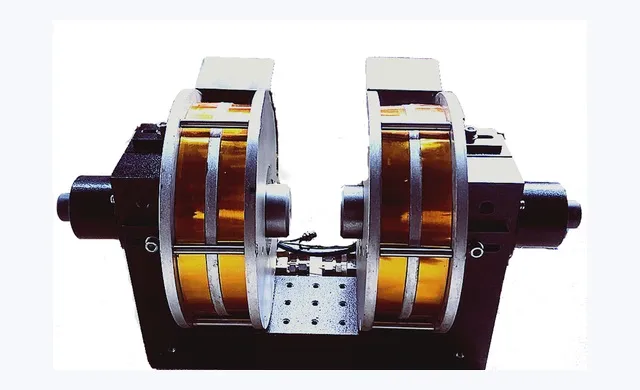
The main technical factors are field strength, pole gap, uniformity volume, cooling method and power supply matching. A larger pole gap generally reduces the maximum field for a given current, while a smaller gap increases field but limits sample access.
Field uniformity depends on pole face diameter and pole gap ratio. For sensitive measurements, specify the uniformity volume explicitly rather than assuming uniform field across the entire gap.
Comparing Electromagnet Configurations
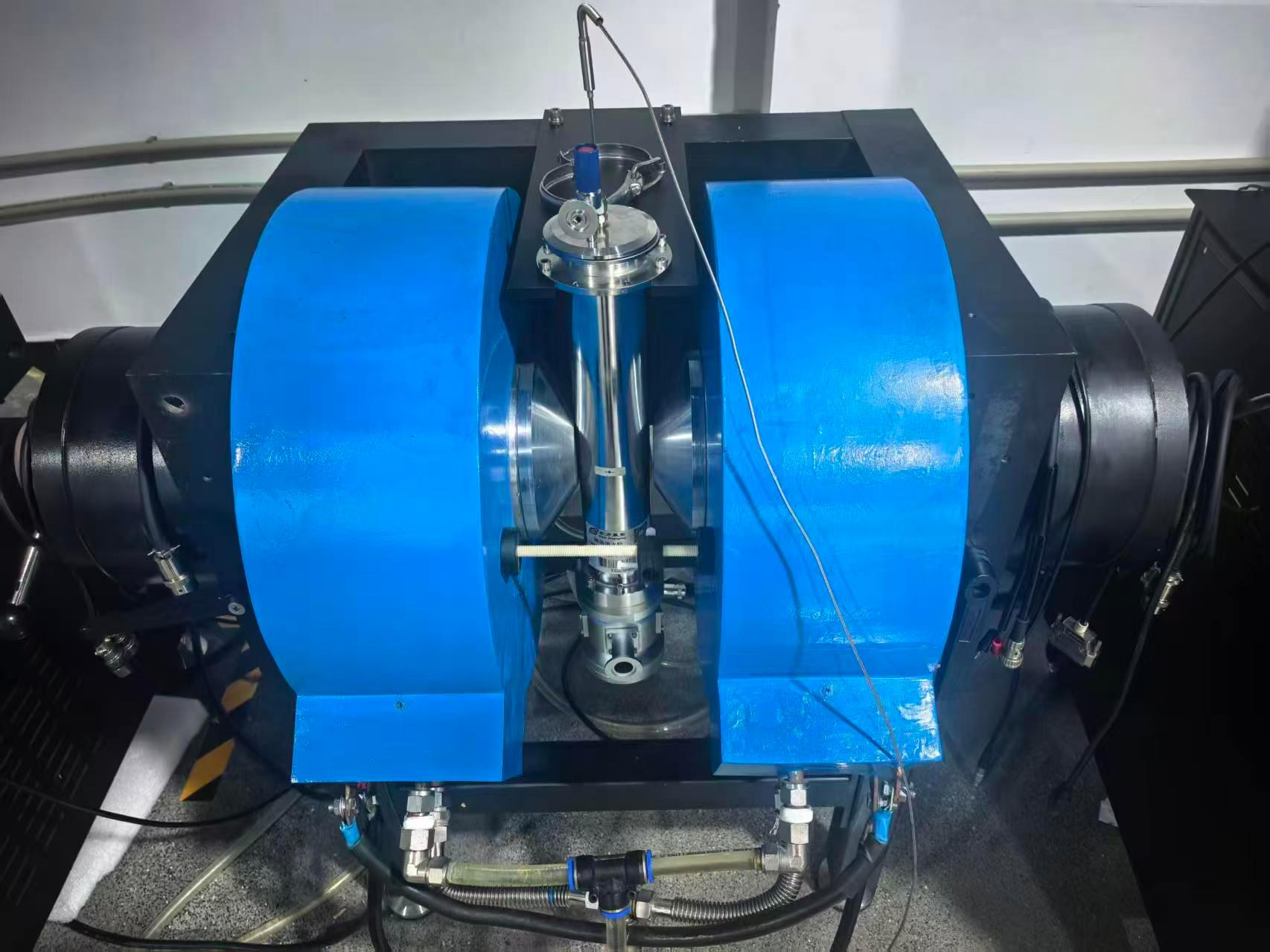
C-frame and double-yoke electromagnets are the two most common laboratory configurations. C-frame designs offer wide sample access from the side, while double-yoke designs provide better field symmetry and higher homogeneity.
Water cooling is preferred for continuous operation above a few kilowatts, whereas air-cooled or low-duty-cycle designs are simpler for intermittent use.
What to Confirm Before Requesting a Configuration
Send the target field, pole gap, uniformity requirement, sample dimensions, cooling constraints and sweep behavior. With these inputs, the engineering team can recommend a magnet geometry, power supply range and optional pole caps.