Define the Measurement Objective
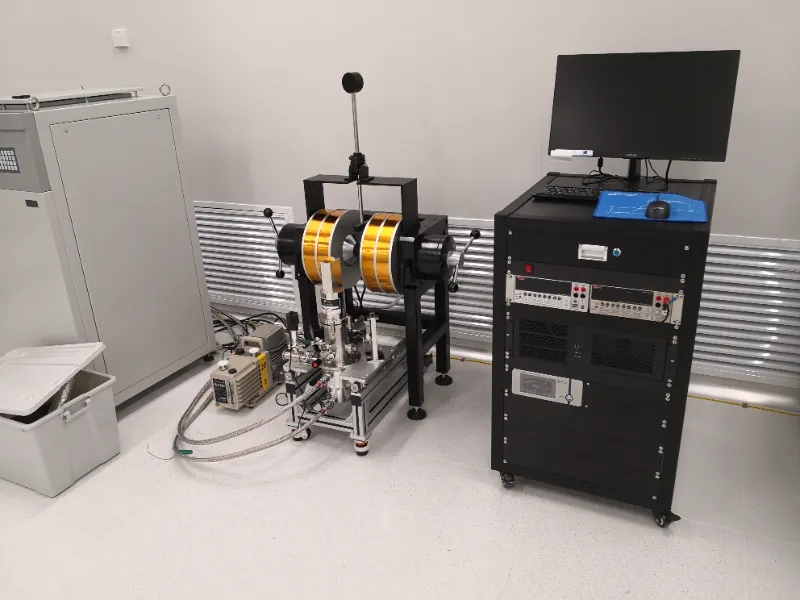
Hall effect systems are used to obtain carrier type, carrier concentration, mobility and resistivity. Clarify which parameters are required and over what temperature or field range they must be measured.
Also confirm whether magnetoresistance or other transport data will be collected in the same measurement session.
Sample Geometry and Carrier Requirements
Sample shape and contact geometry affect measurement accuracy. Van der Pauw and Hall bar geometries require different contact placements and correction factors.
Low-mobility samples may need higher fields or more sensitive electronics, while high-mobility samples may require low-noise shielding and careful wiring.
Magnetic Field and Temperature Range
The field range determines whether a permanent magnet, electromagnet or superconducting magnet is appropriate. The temperature range determines the cryostat or thermal stage configuration.
Wiring and Instrument Interfaces
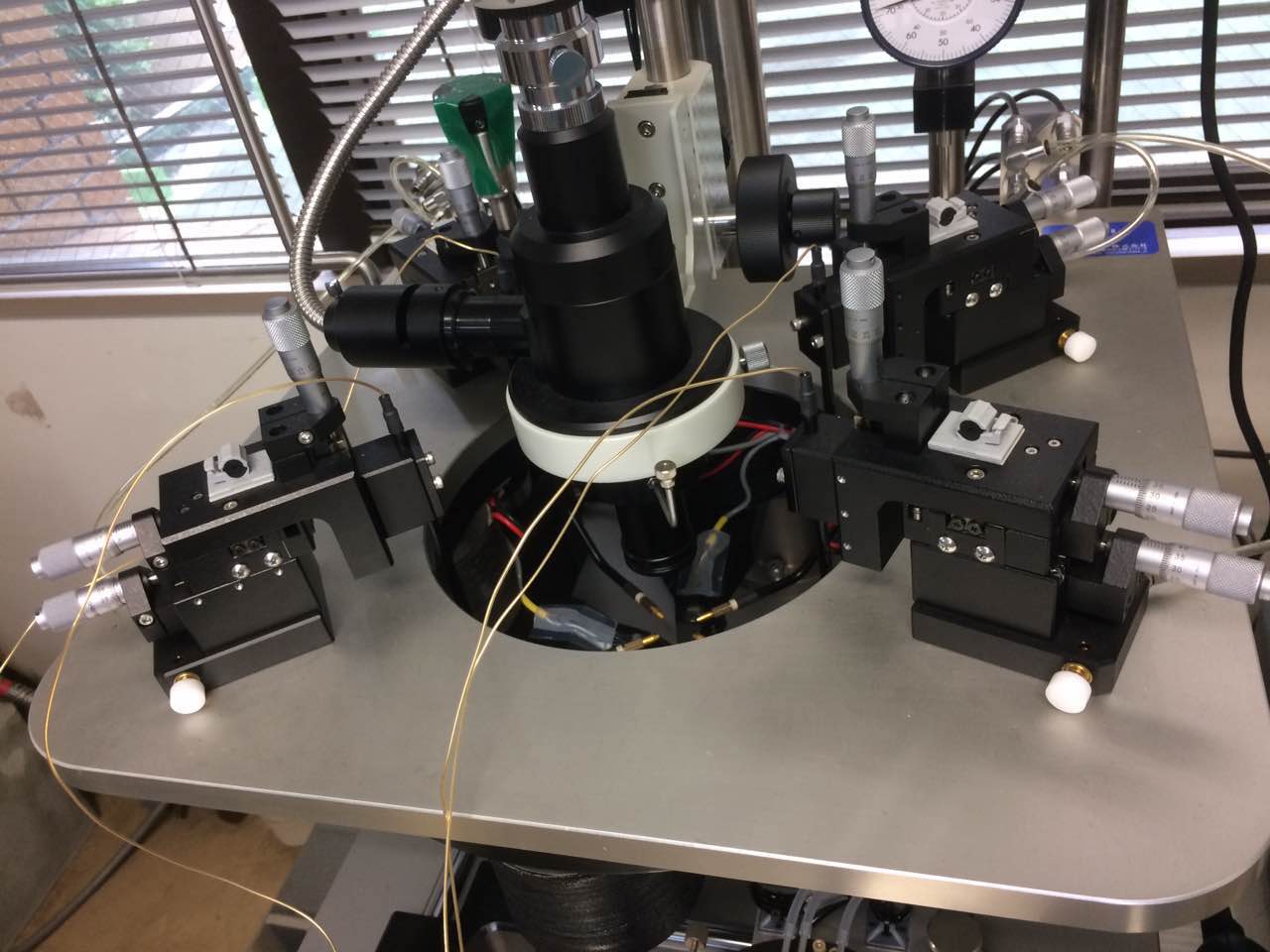
Plan the wiring path from the sample to the electronics, including thermal anchoring and shielding. Confirm whether the system must integrate with existing lock-in amplifiers, source meters or custom software.
Data Output and Measurement Requirements
Define the required output format, automation level and data logging needs. Some experiments need simple single-point Hall data, while others require automated temperature sweeps with full I-V curves.
Pre-Order Checklist
Send the sample material, geometry, carrier type estimate, target field, temperature range, wiring needs and required data outputs. This allows the engineering team to propose the right magnet, cryostat and measurement electronics.